


- View
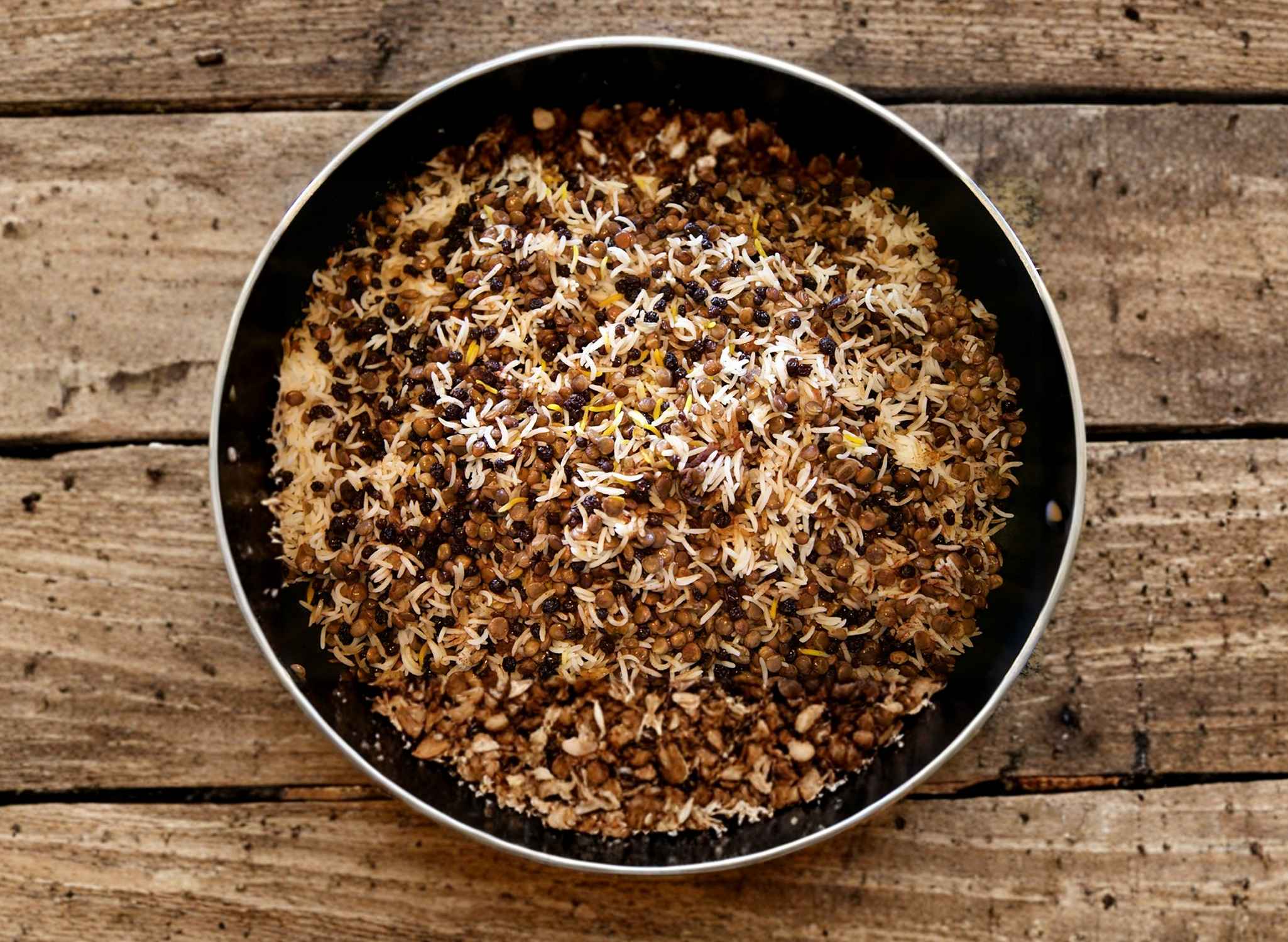
There is something wonderfully comforting about a dish that brings together humble ingredients and transforms them into something extraordinary. Adas Polo does exactly that, layering fluffy basmati with tender lentils, sweet raisins, and aromatic spices.
This beloved Iranian rice dish holds a cherished place in Persian households across Iran and beyond. Whether served at a family gathering during Ramadan or prepared on a busy weeknight, it delivers both nourishment and celebration in every bite.
The beauty of this dish lies in its simplicity. You do not need expensive cuts of meat or hard to find ingredients. Instead, you rely on pantry staples that come together in a way that surprises first time tasters with their harmony.
Want to dive deeper into Iranian Cuisine? Don’t miss our post on Traditional Iranian Foods to Try
What Is Adas Polo?
In Persian, adas translates to lentils and polo refers to rice, so the name tells you exactly what you are getting. At its heart, this is a layered rice dish where parboiled basmati and cooked lentils steam together until perfectly separate.
What sets Adas Polo apart from plain rice is how all its elements work in harmony. The lentils add earthy depth and protein, making it hearty enough to serve as a complete vegetarian meal on its own without feeling light.
The dried fruits bring pops of sweetness that balance the savoury base beautifully. Golden fried onions contribute a rich caramelised flavour that ties everything together, while saffron water adds that signature Persian golden hue.
Toppings typically include caramelised onions, plump raisins, soft dates, and sometimes jewel like barberries called zereshk. These garnishes transform the dish from simple to something truly spectacular with minimal effort.
Many families prepare Adas Polo without meat, allowing it to shine as a vegetarian centrepiece. However, some cooks choose to add ground lamb or beef for extra richness and heartiness. Either way, it remains deeply satisfying.
Ingredients and Taste
The ingredient list reads like an invitation to your spice cupboard. You will need long grain basmati rice, which is essential for achieving those fluffy separate grains that Persian rice is famous for across the world.
Green or brown lentils work well here because they hold their shape during cooking without turning mushy. This gives the finished dish pleasant texture and visual appeal when served alongside the delicate rice grains.
For the aromatic elements, saffron is non negotiable in this dish. Ground to a fine powder and steeped in hot water, it gives the dish its characteristic colour and subtle floral fragrance that defines Persian cuisine.
Turmeric adds warmth and an earthy undertone, while cinnamon provides gentle sweetness without overwhelming the palate. Many cooks also use advieh, a Persian spice blend containing cumin, cardamom, and dried rose petals.
The sweetness comes from golden or dark raisins, soft Medjool dates that melt into the rice, and occasionally tart barberries that add a pleasant sour contrast to balance everything out in each spoonful.
Caramelised onions are cooked slowly until deeply golden and slightly crispy at the edges. They add both texture and a rich savoury sweetness that becomes absolutely essential to the overall flavour profile.
As for the taste, expect something unexpected if you are new to Persian cooking. The first spoonful offers fluffy rice with gentle spice warmth, followed by the earthy nuttiness of lentils underneath.
Then comes a burst of sweetness from a raisin or piece of date, immediately balanced by the savoury depth of those fried onions. The saffron lingers in the background, tying all these flavours together beautifully.
A Taste of History
Adas Polo carries with it centuries of culinary tradition. While its exact origins remain unclear, the dish is believed to have emerged from ancient Persia, drawing on Mediterranean influences that shaped early Iranian cuisine.
Lentils themselves have an ancient history in this region. Archaeological evidence suggests they were among the first crops cultivated by humans, dating back thousands of years in the lands that eventually became Persia.
Persian rice dishes, or polo, have long held an important place in Iranian culture. Rice cultivation flourished particularly in the northern provinces near the Caspian Sea, where the climate proved ideal for growing grains.
Over time, Persians developed sophisticated techniques for preparing rice. This includes the famous tahdig, a crispy golden crust that forms at the bottom of the pot and is considered a prized delicacy at any table.
The combination of rice with lentils reflects the practical wisdom of Persian cooking. Nutritious legumes extend a meal while adding valuable protein, making dishes more satisfying without requiring great expense.
The addition of dried fruits shows the influence of trade routes that brought spices and preserved goods through the region. Saffron, cultivated in Iran for centuries, became a signature ingredient in celebratory dishes.
Today, Adas Polo remains a staple in Iranian households everywhere. It appears at family gatherings, religious celebrations, and simple weeknight dinners alike, connecting generations through shared meals and memories.
Many Iranians grew up with this dish, watching their mothers or grandmothers layer rice and lentils with practiced hands. That connection to memory and tradition gives Adas Polo meaning far beyond its ingredients.
How to Make Adas Polo (Iranian Lentil Rice with Raisins)
Adas Polo is a deeply comforting Iranian rice dish where fragrant basmati is layered with lentils, sweet raisins, caramelised onions, and warming spices. The method rewards patience, especially during steaming, which allows the flavours to mingle and the rice to develop its prized fluffy texture. See the recipe card at the bottom for printable directions
Ingredients
- 300 g basmati rice
- 150 g brown or green lentils
- 1 large onion, thinly sliced
- 80 g raisins or sultanas
- 2 tbsp vegetable oil or butter
- 1 tsp ground cinnamon
- ½ tsp ground cumin
- ¼ tsp ground turmeric
- Salt, to taste
- Water, as needed
- Optional garnish: dates, toasted nuts, or a knob of butter
Cooking Instructions
Step 1: Prepare the rice
To begin, rinse the basmati rice several times in cold water until the water runs clear. Soak the rice in generously salted water for at least 30 minutes, which helps the grains cook evenly. Drain and set aside before moving to the next step.
Step 2: Cook the lentils
Place the lentils in a saucepan and cover with fresh water. Bring to the boil, then simmer for 15 to 20 minutes until tender but not mushy. Drain well and keep aside, ready to layer later.
Step 3: Fry the onions
Heat the oil or butter in a wide pan over medium heat. Add the sliced onions and cook slowly, stirring often, until deeply golden and sweet. This stage builds much of the dish’s character, so allow time before moving on.
Step 4: Spice and sweeten
Stir the raisins into the onions and cook briefly until they plump. Add cinnamon, cumin, and turmeric, mixing gently so the spices bloom without burning. Remove from the heat and set aside.
Step 5: Parboil the rice
Bring a large pot of water to a rolling boil. Add the soaked rice and cook for 5 to 7 minutes until the grains are soft on the outside but firm at the centre. Drain immediately and prepare for layering.
Step 6: Layer the polo
In the same pot, add a splash of oil, then layer rice, lentils, and the onion mixture in stages, finishing with rice on top. Shape the rice into a gentle mound to encourage even steaming.
Step 7: Steam the rice
Cover the lid with a clean cloth, place it firmly on the pot, and cook over low heat for 35 to 40 minutes. This slow steam allows the flavours to settle and the rice to become light and aromatic.
Step 8: For serving
Spoon the rice gently onto a platter, mixing slightly to reveal the lentils and raisins. Serve hot with yoghurt, torshi, or fresh herbs, and add dates or nuts if desired for contrast.
Variations and Substitutions
- Rice: Long grain rice may be used if basmati is unavailable, though aroma will be milder.
- Lentils: Red lentils are not traditional but can be used with shorter cooking time.
- Raisins: Dried barberries or chopped dates offer a more regional alternative.
- Fat: Clarified butter gives a richer finish if vegetable oil is unavailable.
Cooking Tips for Perfect Adas Polo
- Avoid overcooking lentils, as they should keep their shape when layered.
- Use low heat during steaming to prevent scorching at the base.
- Wrapping the lid with cloth traps steam and keeps the rice fluffy.
- Let the rice rest for five minutes before serving to settle the layers.
How to Store and Reheat
Refrigerating Leftovers
Adas Polo keeps well in the refrigerator when stored properly. Allow the rice to cool completely before transferring it to an airtight container. The cooled dish will stay fresh for up to four days in the fridge.
Keep the caramelised onion and dried fruit topping stored separately if possible. This helps maintain textures when you reheat the dish later, preventing the toppings from becoming soggy or losing their appeal.
Freezing for Later
If you have made a large batch or want to prepare portions ahead of time, freezing works beautifully for this dish. Divide the cooled rice into individual portions and place them in freezer safe containers or bags.
Press out as much air as possible before sealing to prevent freezer burn. Frozen Adas Polo will keep for up to two months. Label your containers with the date so you always know how long they have been stored.
Reheating on the Stovetop
The stovetop method produces excellent results because it allows you to gently steam the rice back to its fluffy state. Place your portion in a saucepan and add a splash of water, roughly a tablespoon per cup of rice.
Cover with a tight fitting lid and heat over low flame for several minutes, stirring occasionally until heated through. The added moisture prevents the grains from drying out and helps separate any clumps that formed.
Reheating in the Microwave
For a quicker option, the microwave works well for individual portions. Transfer the rice to a microwave safe bowl and sprinkle a little water over the top. Cover with a damp paper towel or microwave safe lid.
Heat in thirty second intervals, stirring between each, until the rice is steaming hot throughout. This usually takes about two minutes depending on the portion size and your particular microwave wattage.
Thawing Frozen Portions
When using frozen Adas Polo, thaw it overnight in the refrigerator for best results. Once fully thawed, reheat using either the stovetop or microwave method described above for optimal texture and flavour.
If you need to reheat directly from frozen, add a bit more water and increase the heating time accordingly. Check frequently to ensure even warming throughout, stirring gently to distribute heat evenly.
Adas Polo (Lentil Rice with Raisins)
Ingredients
- 300 g basmati rice
- 150 g brown or green lentils
- 1 large onion thinly sliced
- 80 g raisins or sultanas
- 2 tbsp vegetable oil or butter
- 1 tsp ground cinnamon
- ½ tsp ground cumin
- ¼ tsp ground turmeric
- Salt to taste
- Water as needed
- Optional garnish: dates toasted nuts, or a knob of butter
Instructions
- To begin, rinse the basmati rice several times in cold water until the water runs clear. Soak the rice in generously salted water for at least 30 minutes, which helps the grains cook evenly. Drain and set aside before moving to the next step.
- Place the lentils in a saucepan and cover with fresh water. Bring to the boil, then simmer for 15 to 20 minutes until tender but not mushy. Drain well and keep aside, ready to layer later.
- Heat the oil or butter in a wide pan over medium heat. Add the sliced onions and cook slowly, stirring often, until deeply golden and sweet. This stage builds much of the dish’s character, so allow time before moving on.
- Stir the raisins into the onions and cook briefly until they plump. Add cinnamon, cumin, and turmeric, mixing gently so the spices bloom without burning. Remove from the heat and set aside.
- Bring a large pot of water to a rolling boil. Add the soaked rice and cook for 5 to 7 minutes until the grains are soft on the outside but firm at the centre. Drain immediately and prepare for layering.
- In the same pot, add a splash of oil, then layer rice, lentils, and the onion mixture in stages, finishing with rice on top. Shape the rice into a gentle mound to encourage even steaming.
- Cover the lid with a clean cloth, place it firmly on the pot, and cook over low heat for 35 to 40 minutes. This slow steam allows the flavours to settle and the rice to become light and aromatic.
- Spoon the rice gently onto a platter, mixing slightly to reveal the lentils and raisins. Serve hot with yoghurt, torshi, or fresh herbs, and add dates or nuts if desired for contrast.

Leave a Review